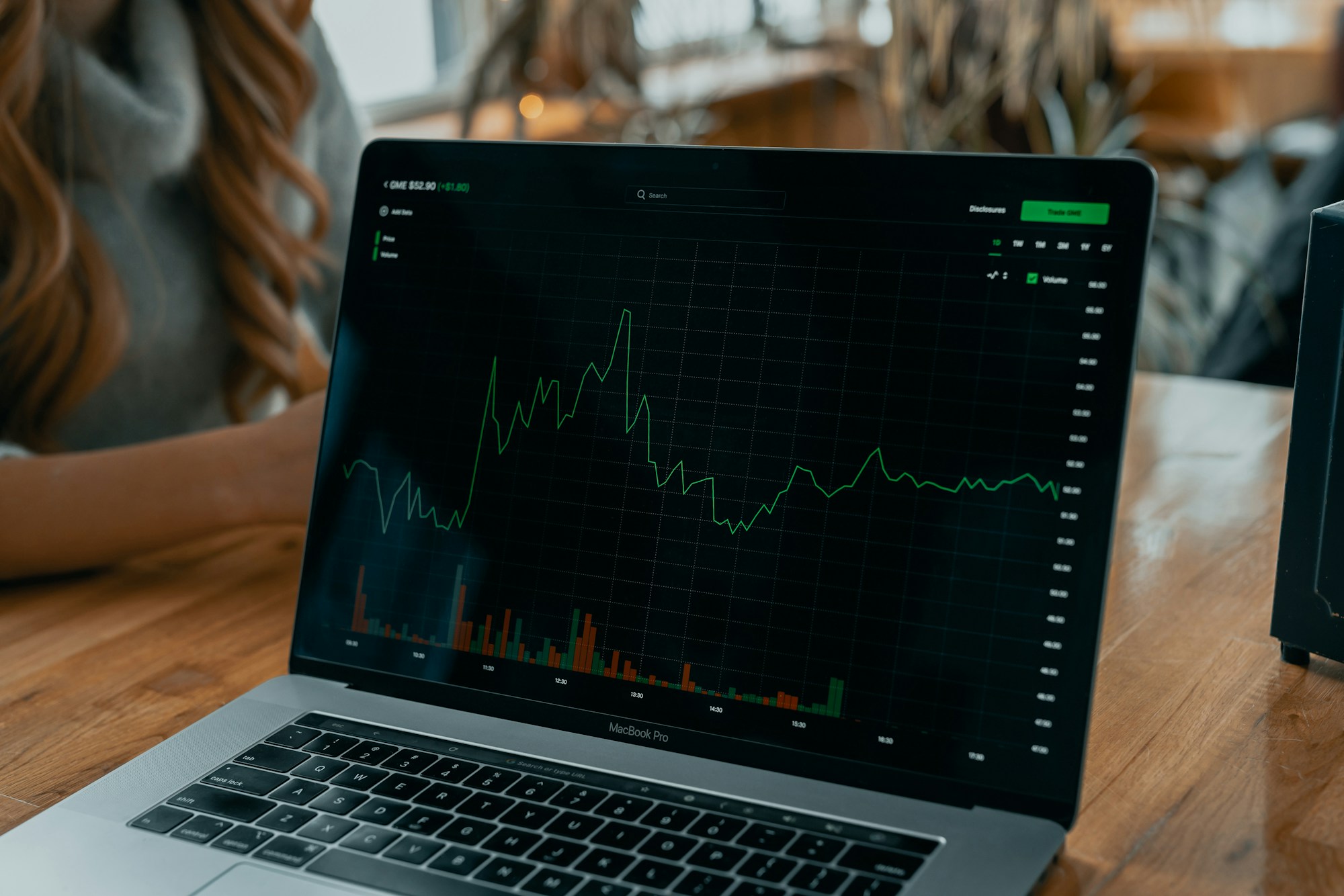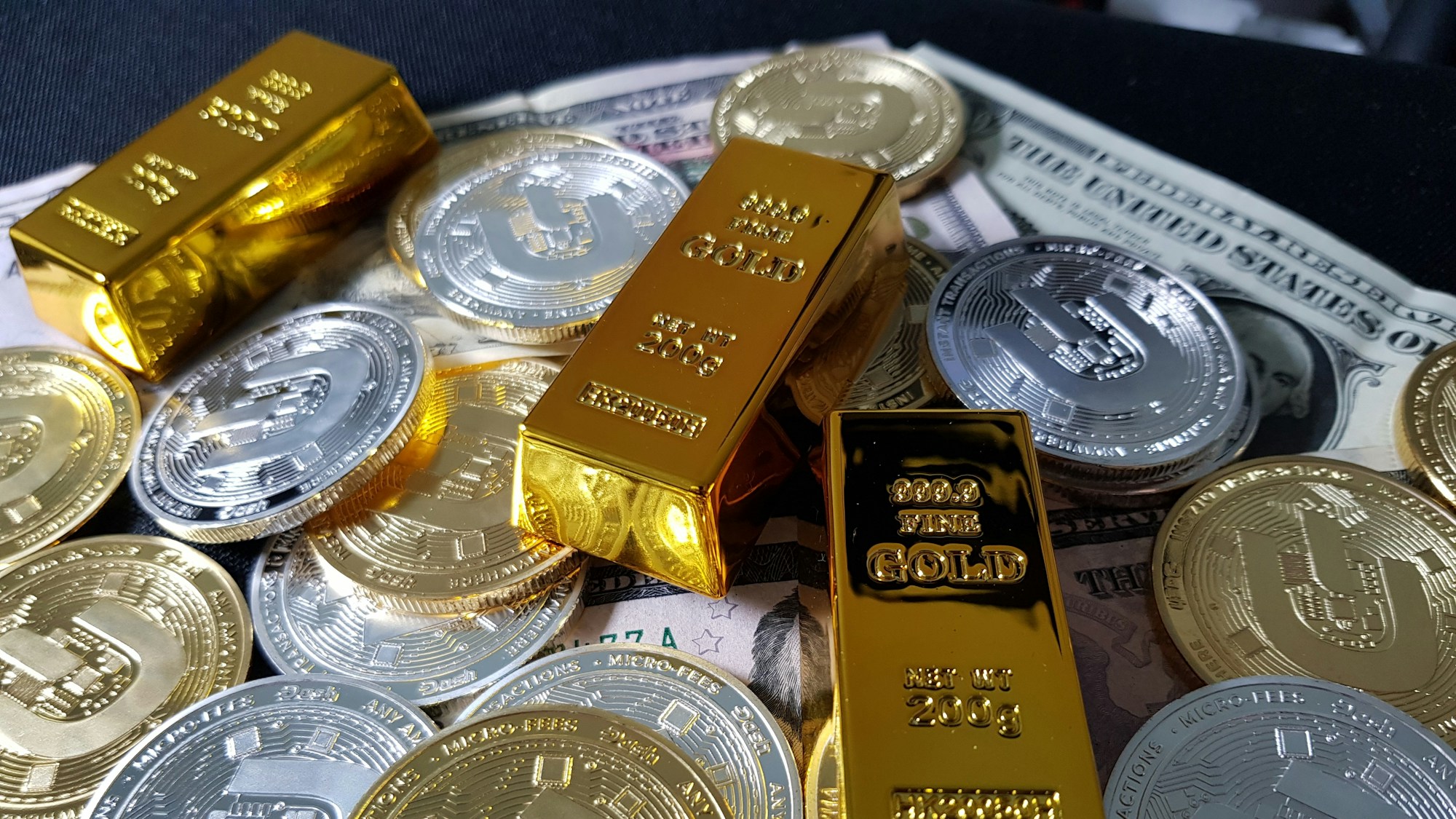
Precious and industrial metals bounced sharply this week after a violent sell-off rattled markets, highlighting how fragile supply chains and geopolitical pressure are merging with relentless demand from technology, energy, and defense sectors. Gold and silver led the rebound, while copper and platinum also held near record territory, reinforcing the idea that the metals rally is being driven by structural forces rather than short-term speculation.
Analysts across Wall Street and global commodity desks describe the current environment as unusually tense, with governments, corporations, and investors competing for finite resources at a time when production growth remains constrained.
Gold and Silver Find Support After a Brutal Reset
Gold prices stabilized near recent highs after a brief pullback, supported by continued central bank buying, a weaker US dollar, and expectations that global interest rates will remain structurally lower over the next several years. Central banks in emerging markets have continued to add to reserves, viewing gold as both a hedge against currency volatility and a geopolitical insurance policy.
Silver’s rebound was even more dramatic. After suffering its sharpest one-day decline in years, prices snapped back as investors reassessed industrial demand tied to solar, electrification, and data center expansion. Unlike gold, silver straddles the line between monetary metal and industrial input, making it particularly sensitive to supply disruptions and policy decisions.
Industrial Metals Caught in the AI and Energy Crossfire
Beyond precious metals, copper and platinum remain underpinned by forces reshaping the global economy. Copper demand continues to surge as data centers, grid upgrades, electric vehicles, and onshoring initiatives accelerate simultaneously. Supply growth, however, has lagged, constrained by permitting delays, declining ore grades, and political risk in major producing regions.
Platinum has benefited from similar dynamics, with tightening supply intersecting with rising demand from automotive catalysts, hydrogen projects, and advanced manufacturing. Analysts note that industrial metals are increasingly being treated as strategic assets rather than simple commodities, a shift that has altered pricing behavior and volatility.
Policy, Protectionism, and the Metal Supply Squeeze
Governments are now playing a role in the metals market. Export controls, critical minerals designations, and national stockpiling efforts have introduced new layers of uncertainty. China’s moves to limit exports of certain metals have heightened concerns about availability, while Western governments are racing to secure alternative sources through trade agreements and domestic production incentives.
At the same time, years of underinvestment following past commodity downturns have left supply ill-prepared for today’s surge in demand. This mismatch has amplified price swings and reinforced the perception that metals are entering a prolonged period of scarcity-driven volatility.
Looking Ahead
The metals market is likely to remain turbulent as investors balance profit-taking against powerful long-term tailwinds tied to technology, energy transition, and geopolitics. While near-term pullbacks are possible after such a strong run, analysts broadly agree that supply constraints, strategic stockpiling, and industrial demand are unlikely to fade in 2026. For markets, that means metals may continue to act less like cyclical trades and more like strategic assets — with price moves increasingly shaped by policy decisions and global competition rather than traditional commodity cycles.