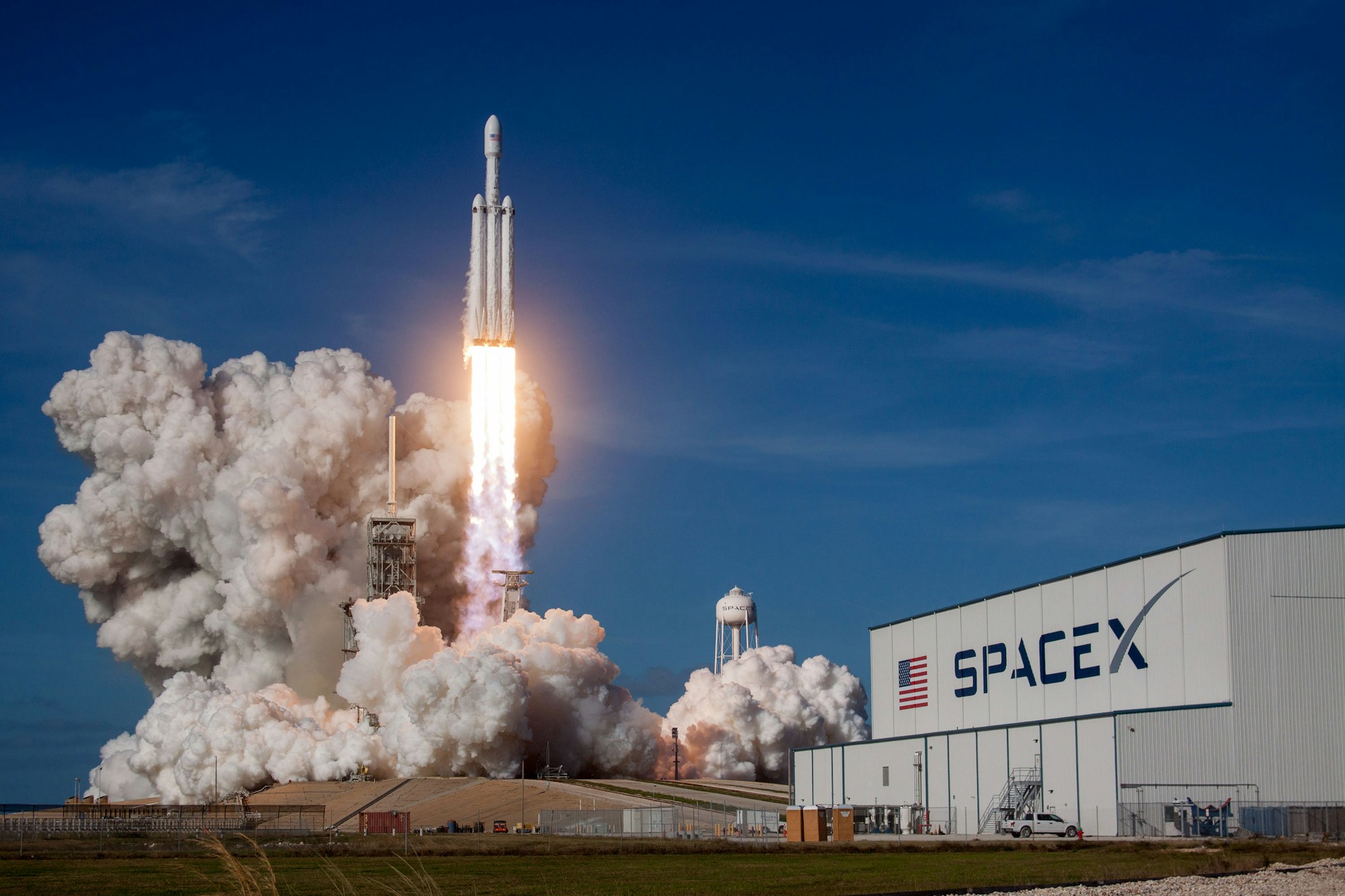
SpaceX (SPCX) dove on Tuesday as a widening selloff in AI stocks swept through global markets, dragging down companies tied to the massive expansion of AI infrastructure.
Shares of Space Exploration Technologies (SPCX) dropped roughly 3% to 4% during morning trading, erasing much of their gains since early October. The decline came as Chinese semiconductor advances rattled memory chipmakers and raised new questions about whether the AI boom can sustain the extraordinary valuations investors have assigned to its biggest beneficiaries.
China's Memory Breakthrough Shakes AI Stocks
The selloff began after Chinese chipmaker ChangXin Memory Technologies (CXMT) announced progress on a new memory-cell architecture designed to increase storage density and potentially lower production costs. CXMT plans to introduce products based on the technology before the end of 2026, potentially expanding competition in the memory market that has benefited enormously from surging AI data center demand.
The announcement triggered particularly steep losses in South Korea, where Samsung Electronics fell roughly 7.4% and SK Hynix plunged more than 10%. U.S. memory stocks also came under pressure, with Micron dropping nearly 5% and SanDisk retreating. The concern is straightforward: if Chinese manufacturers can eventually produce competitive memory chips at lower costs, the tight supply conditions supporting record prices and profits across the industry could begin to weaken.
Why SpaceX Is Caught in the Selloff
Although SpaceX is best known for its rockets and Starlink satellite network, investors have increasingly linked the company to the broader AI infrastructure trade and its ambitions in advanced computing and semiconductor technology. That exposure has made the stock sensitive to shifts in sentiment surrounding AI investment.
Tuesday's decline reflected growing concerns about the profitability of the enormous capital expenditures being directed toward data centers, chips and computing infrastructure. Cheaper memory could ultimately benefit companies building AI systems by reducing equipment costs. But for investors betting on sustained pricing power across the semiconductor supply chain, the prospect of greater competition presents a less favorable outlook.
Elon Musk Weighs In on China's Manufacturing Power
SpaceX CEO Elon Musk added to the debate Tuesday, highlighting China's ability to rapidly scale production once its manufacturers master a technology. Musk pointed to lithium batteries and solar panels as examples of industries where Chinese manufacturers dramatically expanded global supply. He suggested memory chips could follow a similar path, although he acknowledged that the economics of the industry may differ.
His comments underscore the challenge facing established semiconductor manufacturers. Even if CXMT's technology remains behind industry leaders today, improvements in production capabilities could eventually put pressure on global memory prices.
Wall Street's AI Trade Looks Increasingly Crowded
The volatility arrives as institutional investors continue pouring money into technology stocks despite mounting concerns about valuations. Bank of America's latest fund manager survey found that 37% of respondents are overweight technology stocks, up from 30% the previous month and the highest reading since August 2020.
At the same time, 45% of surveyed managers expect an AI bubble in 2027, highlighting a growing disconnect between investors' enthusiasm for the sector and their concerns about its sustainability. That combination could make AI-related stocks especially vulnerable to negative headlines. With expectations already elevated, even developments that pose primarily long-term competitive risks can trigger sharp short-term selling.
Looking Ahead
For SpaceX investors, the key question is whether Tuesday's decline represents a temporary reaction to weakness across the AI sector or the beginning of a broader reassessment of infrastructure-related valuations. Investors will be watching how quickly CXMT can commercialize its new memory technology and whether established chipmakers maintain their pricing power. SpaceX's own progress in computing and semiconductor development will also matter as markets assess its exposure to the AI boom. With institutional positioning increasingly concentrated in technology stocks, volatility could remain elevated. The next phase of the AI rally may depend less on enthusiasm for future growth and more on whether companies can deliver the profits needed to justify their valuations.