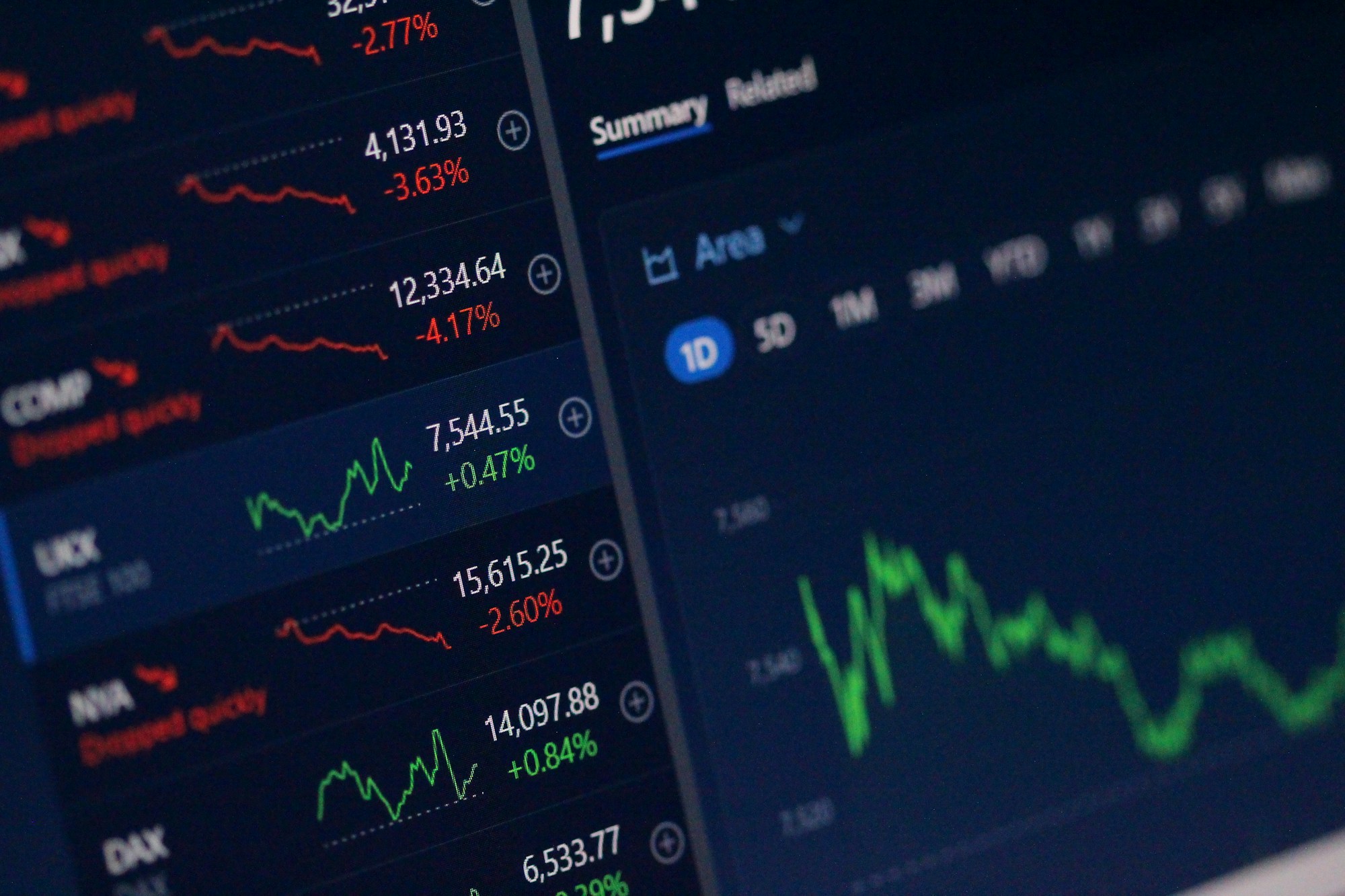
Stocks edged lower on Thursday, losing early gains as a pullback in Big Tech dragged on major indexes and investors closely watched developments around a potential extension of the U.S.-Iran ceasefire. The S&P 500 slipped about 0.1% after recently breaking above the 7,000 level, while the Nasdaq Composite fell roughly 0.2% as momentum in high-growth names cooled.
The Dow Jones Industrial Average also dropped around 0.2%, reversing earlier strength as traders rotated out of riskier positions following a strong multi-day rally. The cautious tone comes as markets balance record-level optimism with lingering geopolitical uncertainty, particularly as negotiations continue to extend a fragile truce in the Middle East.
Market Movers:
- Aehr Test Systems (AEHR) +17% – Shares surged after the company secured a record follow-on order tied to AI chip testing, signaling strong demand from hyperscale data center customers. The deal boosts long-term revenue visibility and reinforces momentum in AI infrastructure spending.
- Okta (OKTA) +4% – Shares rose after an analyst upgrade highlighted growing demand for identity security solutions as AI adoption accelerates. Investors are increasingly optimistic about Okta’s expanding role in enterprise cybersecurity ecosystems.
- Hims & Hers (HIMS) +3% – Shares gained following potential regulatory tailwinds tied to peptide classifications, which could expand future product offerings. The news added to recent momentum as investors bet on long-term growth in digital health services.
- Gevo (GEVO) -12% – Shares dropped sharply after the company withdrew a key Department of Energy loan application, raising concerns about project viability and funding timelines. The move adds uncertainty around its sustainable fuel expansion strategy.
- Abbott (ABT) -4% – Shares fell after the company lowered its full-year earnings outlook, citing dilution from a recent acquisition and near-term margin pressures. Despite solid revenue growth, weaker guidance weighed on investor sentiment.
- Coinbase (COIN), Robinhood (HOOD) -3% – Shares declined after a major brokerage launched a competing crypto trading platform, increasing pressure on fees and margins. The move signals intensifying competition from traditional financial players entering the digital asset space.
Tech Pullback Tests Market Strength
Thursday’s decline was led by weakness in the tech sector, where some of the market’s biggest winners took a breather after an extended rally. The pullback raised questions about how sustainable the recent surge has been, particularly as valuations climb and positioning becomes more crowded. Even so, the broader trend remains intact, with major indexes still hovering near record highs. Analysts note that some consolidation may be healthy after the rapid run-up seen over the past several sessions.
Geopolitics And Energy Risks Remain In Focus
Investors continue to track developments in the Middle East, where efforts are underway to extend a temporary ceasefire between the U.S. and Iran. A separate short-term ceasefire between Israel and Lebanon has added another layer of complexity to the negotiations. Meanwhile, energy markets remain under pressure, with oil prices rising again amid concerns about supply disruptions. Warnings of potential fuel shortages and infrastructure damage are adding to fears that higher energy costs could ripple through the global economy.
Economic Signals Send Mixed Messages
Recent economic data has painted a mixed picture of the U.S. economy. Jobless claims have shown resilience, pointing to a still-stable labor market, while industrial production data suggests some slowdown in manufacturing activity. At the same time, longer-term projections tied to AI-driven growth continue to fuel optimism, with some forecasts pointing to significant gains in productivity and economic output over the next decade.
Looking Ahead
Markets are at a delicate juncture, with strong momentum colliding with rising uncertainty. The next moves will likely hinge on whether geopolitical tensions ease and whether corporate earnings can justify recent gains. With key negotiations ongoing and major companies continuing to report results, investors should expect volatility to remain elevated. If peace talks progress and earnings hold firm, the path to new highs could stay intact, but any disruption could quickly shift sentiment.