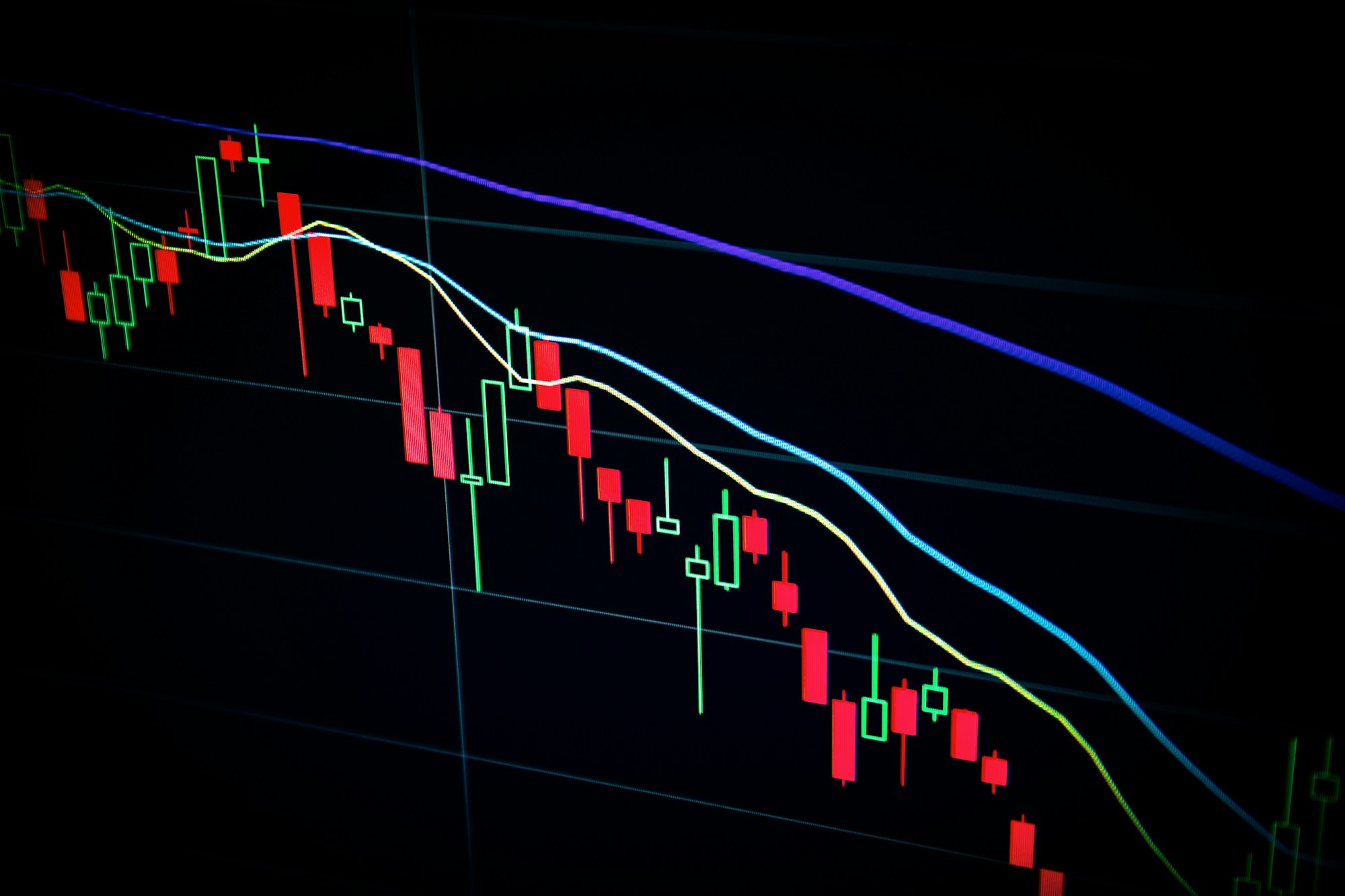
U.S. stocks were in the red on Friday as a steep sell-off in semiconductor shares overshadowed encouraging inflation data and improving consumer sentiment. The Nasdaq Composite led the declines as investors continued pulling back from AI-related names, while the S&P 500 also moved lower. The Dow Jones Industrial Average proved more resilient, hovering near the flatline as gains in financial stocks helped offset weakness in technology.
The latest market pullback comes after months of AI-fueled gains, with investors reassessing whether massive spending on artificial intelligence infrastructure can justify elevated valuations. At the same time, rising geopolitical tensions in the Middle East pushed oil prices higher, adding another layer of uncertainty even as recent inflation readings have eased pressure on the Federal Reserve.
Market Movers:
- Travelers (TRV) +8%: Shares rallied after the insurer delivered a blowout second-quarter earnings report that easily topped Wall Street expectations. Lower catastrophe losses, stronger underwriting performance, higher investment income, and favorable reserve development drove a sharp increase in profitability while management maintained a confident outlook.
- BJ's Restaurants (BJRI) +7%: Shares gained after William Blair upgraded the restaurant chain to Outperform, citing improving same-store sales and expanding profit margins. The firm also expects BJ's to resume restaurant expansion later this year, creating additional long-term growth opportunities.
- Fervo Energy (FRVO) +5%: The geothermal developer advanced after Bank of America upgraded the stock to Buy, arguing the recent pullback created an attractive entry point. The bank highlighted encouraging drilling results and growing confidence in the company's ability to execute large-scale geothermal projects.
- Netflix (NFLX) -11%: Shares tumbled after investors looked past another quarter of double-digit revenue growth and focused on disappointing free cash flow and softer-than-expected full-year revenue guidance. While subscriber growth and advertising revenue remained healthy, cautious guidance raised questions about near-term growth momentum.
- STAAR Surgical (STAA) -9%: Shares fell despite preliminary second-quarter revenue roughly doubling from a year earlier. Investors instead focused on geopolitical risks, macroeconomic uncertainty, and operational challenges tied to the company's enterprise resource planning system rollout.
- Intuitive Surgical (ISRG) -9%: The medical technology company declined after maintaining its full-year procedure growth forecast despite reporting stronger-than-expected quarterly results. Investors also weighed continued tariff-related margin pressure and rising operating expenses.
- SpaceX (SPCX) -5%: Shares moved lower after the company postponed the first launch attempt of its upgraded Starship V3 rocket because of an automatic launch abort during engine ignition. The delay extended recent weakness in the stock as investors await another launch attempt expected next week.
Semiconductor Sell-Off Accelerates
Chip stocks remained under intense pressure as the PHLX Semiconductor Index entered bear market territory following another broad-based decline across the sector. Memory manufacturers, chip designers, and semiconductor equipment companies all moved sharply lower as investors continued reducing exposure to AI-related names. The latest wave of selling showcases growing concerns that the industry's extraordinary AI-driven rally may have outpaced fundamentals.
Investors are increasingly scrutinizing the enormous capital expenditures required to support artificial intelligence infrastructure while waiting for clearer evidence that those investments will generate sustainable returns. Adding to the uncertainty, Chinese AI startup Moonshot introduced Kimi K3, describing it as one of the largest publicly available open AI models. The launch intensified competitive concerns within the AI ecosystem and added further pressure to semiconductor stocks already grappling with elevated valuations.
Inflation Cools While Consumer Confidence Improves
Despite the weakness in equities, economic data offered several encouraging signals. The University of Michigan's preliminary consumer sentiment index improved for a second straight month, reaching its highest level since February as lower gasoline prices helped lift household confidence.
The improvement follows recent consumer and producer inflation reports that pointed to easing price pressures. Together, the data reinforced expectations that the Federal Reserve may have additional flexibility on monetary policy, even as officials continue monitoring inflation risks stemming from higher energy prices.
Oil Prices Rise as Middle East Conflict Intensifies
Energy markets remained volatile as fighting between the United States and Iran intensified for a sixth consecutive day. Reports of additional strikes on civilian infrastructure, combined with renewed concerns over shipping disruptions in both the Strait of Hormuz and the Bab el-Mandeb Strait, pushed crude oil prices higher. While rising energy costs have not yet derailed the broader economy, investors remain cautious that a prolonged disruption to global oil supplies could reignite inflation pressures and complicate the Federal Reserve's policy outlook.
Looking Ahead
Investors will head into next week focused on whether the semiconductor sector can stabilize after one of its sharpest pullbacks of the year. With AI infrastructure spending now under greater scrutiny, upcoming earnings from major technology companies will be closely watched for evidence that robust investment is translating into sustainable revenue and profit growth. Markets will also continue monitoring developments in the Middle East alongside incoming economic data. While cooling inflation and improving consumer confidence remain supportive for equities, persistent geopolitical risks and ongoing volatility in technology stocks are likely to keep investors cautious in the near term.